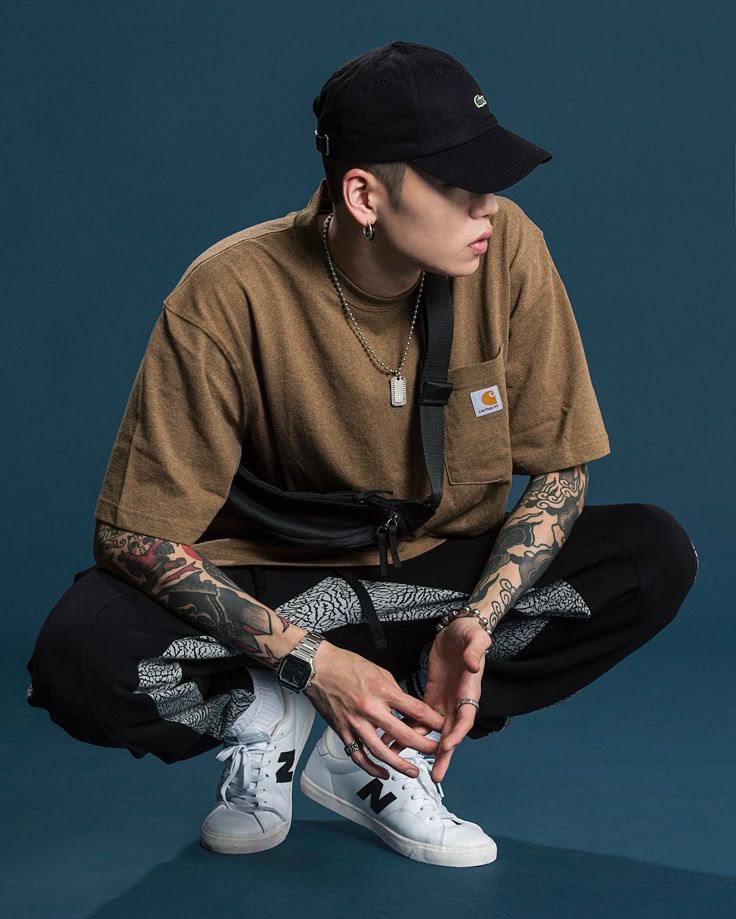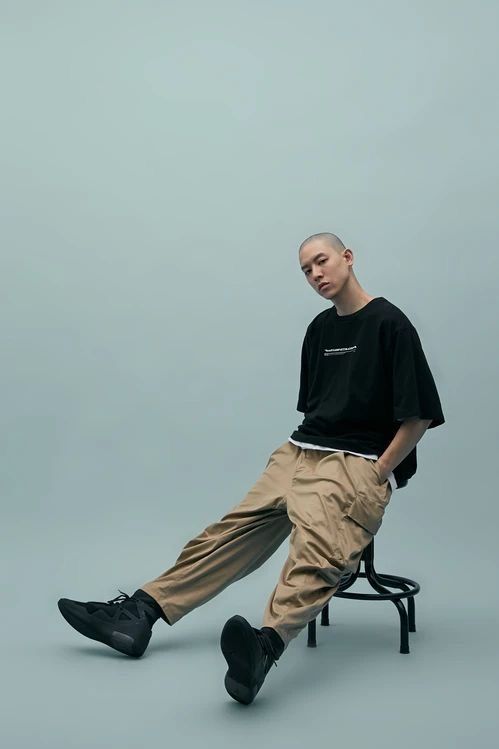
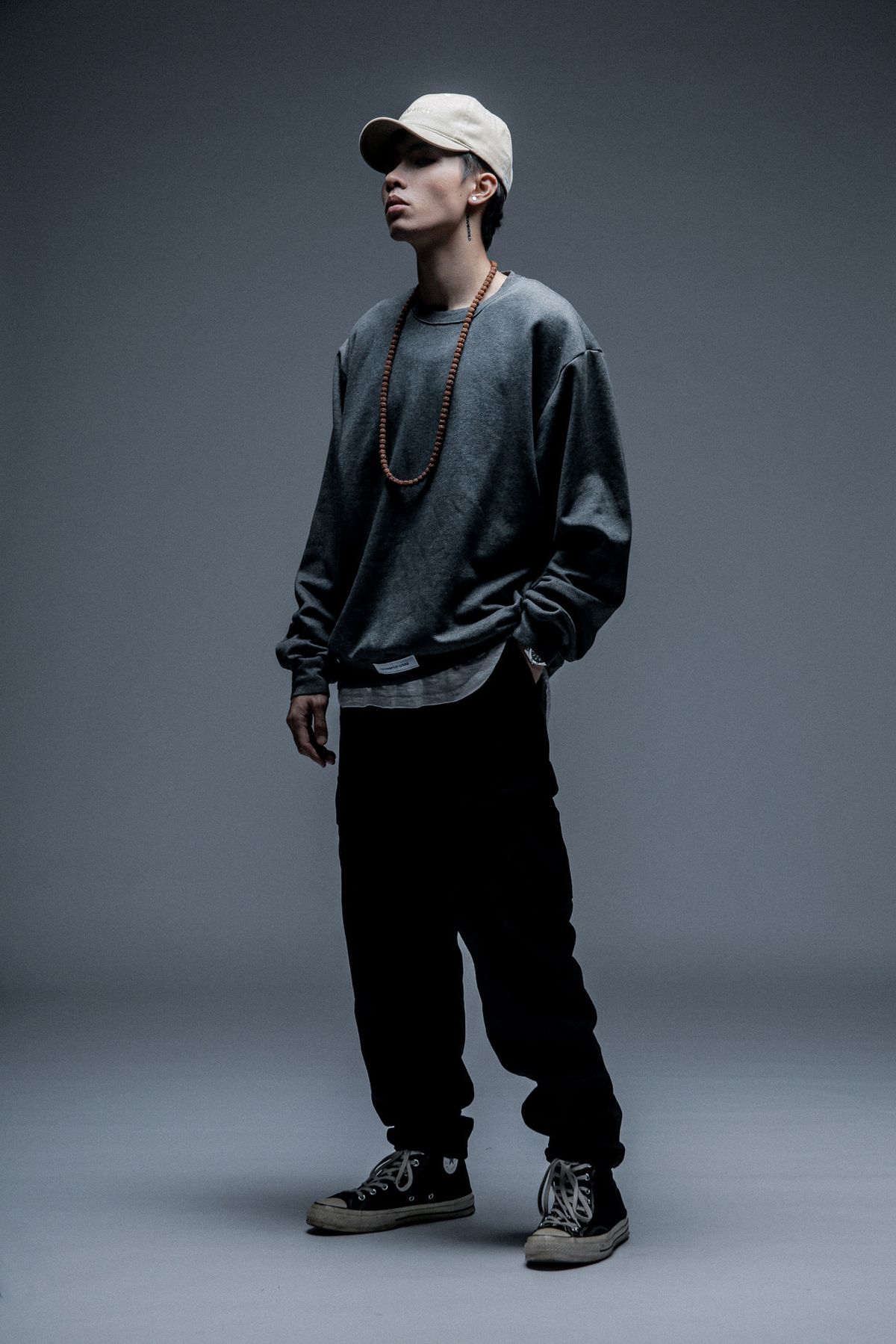
Fashion today is no longer defined by excess. Instead of loud logos, exaggerated silhouettes, or constant trend-chasing, modern fashion is shifting toward intention. This change reflects a deeper cultural movement—one that values clarity, purpose, and authenticity over spectacle.
Intentional design begins with asking the right questions. Rather than focusing solely on what looks impressive, designers and wearers alike consider how a garment functions in real life. Does it move naturally? Does it support daily routines? Does it still feel relevant beyond a single season? These questions shape clothing that is not only stylish but meaningful.
This shift has been driven by changing lifestyles. As daily life becomes more fluid, people need clothing that adapts. Work, leisure, and social moments often overlap, blurring traditional dress codes. Fashion that once belonged strictly to one setting must now transition effortlessly between many. Intentional design responds by prioritizing versatility and wearability.
Another factor influencing this movement is a growing awareness of overconsumption. Fast fashion encouraged constant buying, but many consumers are now questioning the value of short-lived trends. Intentional fashion emphasizes longevity. When clothing is designed with purpose, it is worn longer, appreciated more deeply, and replaced less often.
Fabric choice plays a crucial role in intentional design. Materials are selected not only for appearance but for comfort, durability, and how they interact with the body. Texture becomes subtle rather than decorative. Weight, breathability, and movement matter just as much as color or shape.
Silhouette is another area where intention becomes visible. Instead of extreme cuts, modern fashion favors balance. Proportions are considered carefully, allowing garments to flatter a wide range of bodies without forcing conformity. This approach encourages inclusivity and self-confidence rather than comparison.
Intentional design also supports individuality. When clothing is not dominated by trends, it leaves room for personal interpretation. A single piece can be styled in multiple ways, reflecting mood, environment, or personality. Fashion becomes a tool for expression rather than instruction.
In many ways, intentional fashion is quieter—but its impact is stronger. It does not rely on attention to feel relevant. Instead, it earns trust through consistency and thoughtfulness. Wearers begin to develop deeper relationships with their clothing, choosing pieces that align with their values and lifestyle.
As fashion continues to evolve, intentional design will likely define its future. It offers an alternative to noise, encouraging a slower, more considered approach to style. In doing so, it reminds us that what we wear should not only look good but feel right—today, tomorrow, and beyond.